
Crafting Interiors That Endure With Integrity

Today we focus on ethically sourced wood and stone for long-lived interior renovations, exploring how verified origins, thoughtful design, and careful installation produce spaces that age beautifully, minimize waste, and honor ecosystems and communities across generations. Expect clear guidance, grounded anecdotes, and practical checklists that help you navigate certifications, compare lifecycle value, and choose finishes that wear gracefully, so each decision you make contributes to durability, health, and a legacy you will be proud to pass forward.

Why Durability Begins With Responsible Choices
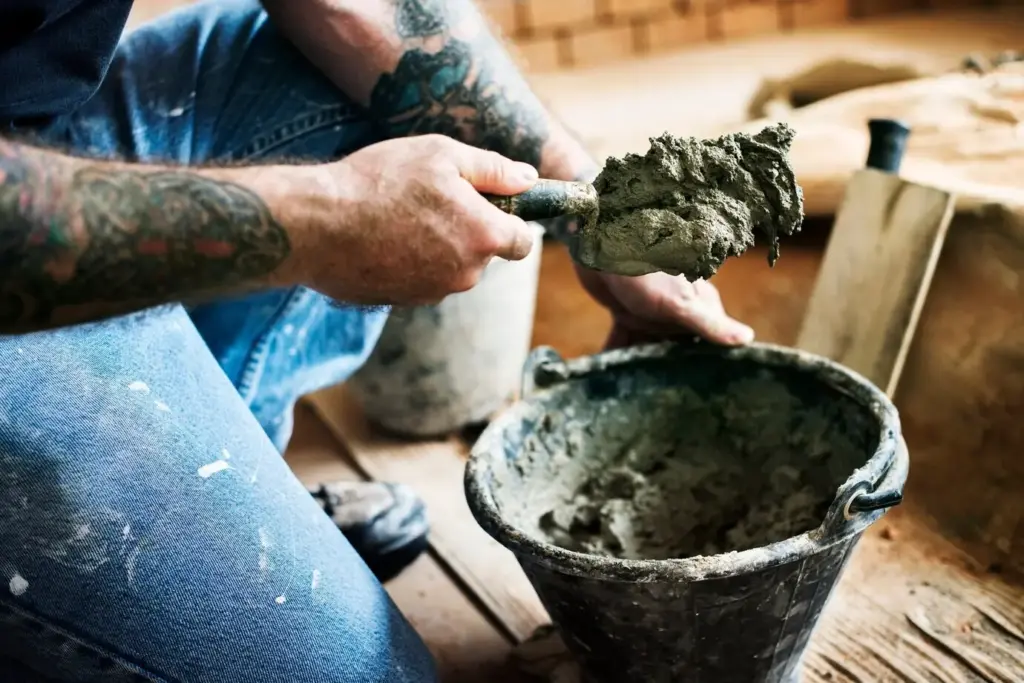
Materials selected with integrity last longer because their journey encourages quality at every step: careful forestry yields dense, stable boards; conscientious quarries produce consistent stone; and transparent supply chains reward best practices. When you choose with purpose, you reduce replacements, conserve resources, and create interiors that feel better underfoot, look better over time, and align your home with values that respect land, labor, and future generations who will live with your decisions.

Verifying Origins and Certifications
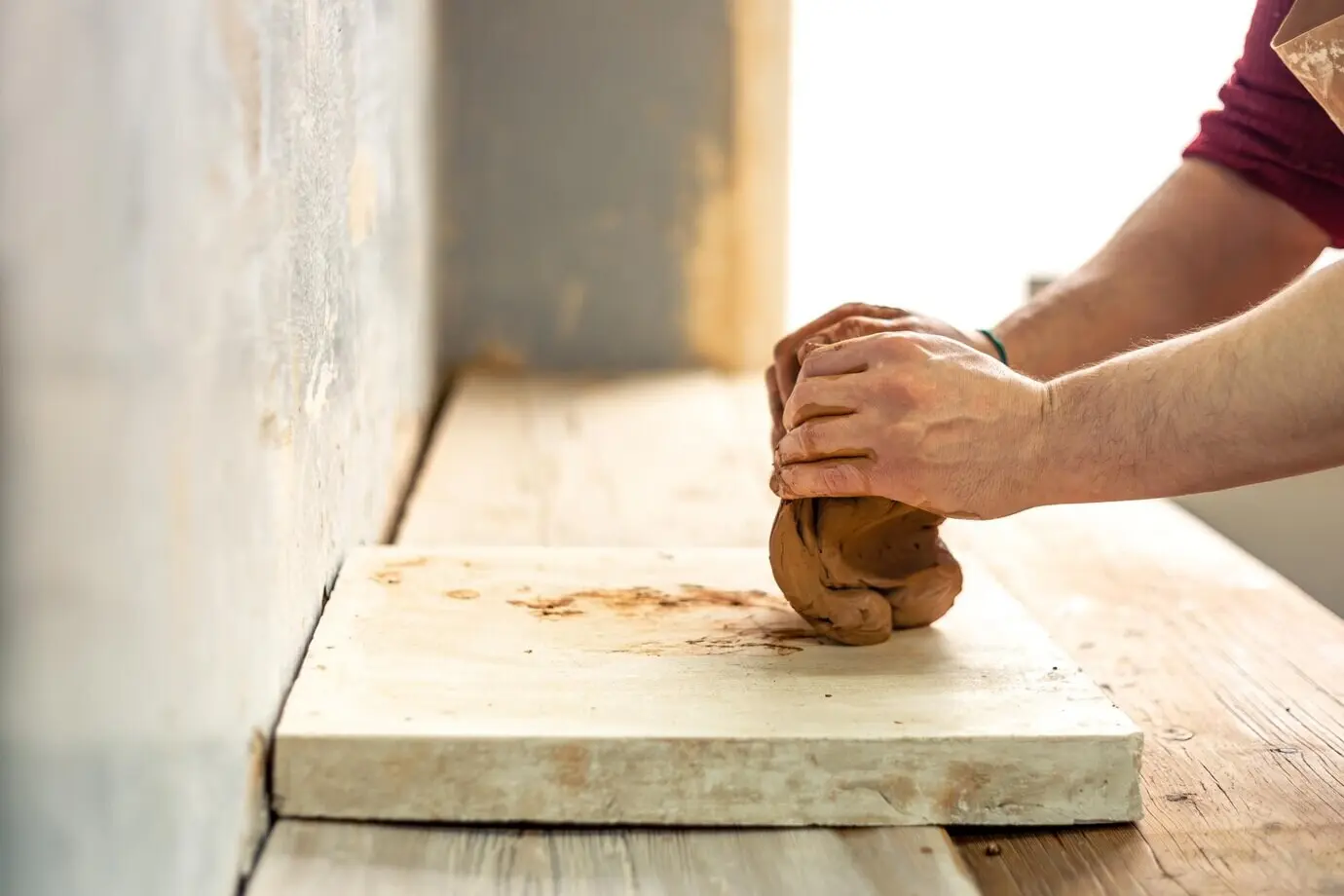
True confidence begins with paperwork that proves what words on brochures suggest. Certifications and declarations help you see beyond the showroom finish: assessing forest stewardship, quarry practices, emissions, and chemical contents. Learn to read labels, ask for chain-of-custody numbers, and verify third-party audits. These steps need not feel adversarial; they set clear expectations, support honest suppliers, and protect your investment by aligning performance claims with traceable, accountable evidence rather than marketing promises alone.

Design Principles for Materials That Age Gracefully

Enduring interiors respect material behavior. Species, stone types, finishes, and details determine how surfaces respond to sun, moisture, abrasion, and repairs. Specify for patina rather than perfection, choose honed textures that hide micro-scratches, and detail transitions that allow expansion or minor settling. Design for cleaning access, replaceable elements, and easy refinishing. When the plan anticipates life’s scuffs and seasons, beauty deepens rather than erodes, and replacement becomes a thoughtful choice, not a necessity.

Selecting Species and Stone Types

Match properties to real use. White oak, ash, and maple offer excellent hardness and stability; walnut accepts character gracefully. For stone, granite, gneiss, basalt, and some limestones resist heavy wear, while soapstone’s softness rewards frequent oiling. Consider porosity, slip resistance, and thermal behavior with radiant heat. Evaluate tile or plank dimensions against room geometry to minimize cuts and waste, and choose formats that remain repairable if a future life change demands reconfiguration.

Finishes That Wear Well

Penetrating oils and hardwax systems let wood breathe, making spot repairs simple and visually forgiving. On stone, honed or leathered surfaces diffuse light, camouflaging micro-etching better than polished finishes. Prefer breathable, low-VOC sealers compatible with future maintenance cycles. Specify eased edges to resist chipping and consider color variation that feels lively, not chaotic. Select finishes your household can realistically maintain, ensuring daily life adds gentle character rather than frustrating damage that invites early replacement.

Details That Simplify Maintenance

Thoughtful detailing prevents small nuisances from becoming costly problems. Provide moisture breaks at entries, removable shoe trays, and well-placed mats. Include felt pads for furniture, sacrificial runners in high-traffic zones, and baseboards with scribed profiles that resist dirt lines. Plan expansion gaps discreetly, use modular tile patterns for selective replacement, and position thresholds to manage transitions cleanly. Together these choices turn routine care into quick rituals that preserve surfaces and protect your investment for decades.

Lifecycle Value and Performance

Upfront price is only a chapter; the full story spans decades. Durable, ethically sourced wood and stone often cost more initially but repay through fewer replacements, easier repairs, and higher retained value. Consider embodied carbon, operational performance, and indoor air quality alongside purchase invoices. When maintenance products are non-toxic and compatible, your home remains healthier to live in and kinder to refresh, keeping money in your pocket and unnecessary materials out of landfills.

Cost Over Decades

Compare a dense, refinishable wood floor to a budget option replaced twice in twenty-five years. Add labor, disposal, disruption, and lost enjoyment during renovations. Ethical stone in kitchens may outlast multiple countertop trends, saving design fees and stress. Durable choices also carry resale appeal, signaling care and continuity. A long view reframes value, revealing that the cheapest ticket at the start can become the most expensive path by the finish line.

Carbon and Resource Accounting

Use Environmental Product Declarations to quantify embodied impacts, then balance transport with service life and maintenance profiles. Locally sourced stone may dramatically cut shipping emissions, while long-lived wood that is refinishable avoids frequent re-manufacture. Choose low-VOC products to protect indoor air, and plan for future reuse—floors that can be lifted, countertops recut, and tiles repurposed. Accounting honestly helps align climate intentions with real performance, not just feel-good labels or partial metrics.

Field Notes and Stories

Stories illuminate the choices behind the surfaces. When you hear how families adapted maintenance rituals, or why a builder insisted on traceability, the lessons stick. These vignettes show that beautiful, durable interiors are not accidents but outcomes of patient questions, honest collaboration, and small decisions repeated consistently. They also remind us that patina is memory, and that caring for materials can become a meaningful, shared household tradition rather than a chore.

Practical Sourcing and Collaboration

Great results are built by relationships. Clear questions, realistic lead times, mockups, and written expectations transform sourcing into teamwork. Invite your installer early, let fabricators review shop drawings, and set maintenance commitments while choosing finishes. The more eyes and expertise engaged, the fewer surprises appear onsite. Collaboration aligns ethics with craft, giving every piece of wood and stone the setting it deserves, and ensuring the finished room reflects shared pride, not lucky coincidence.
Ask where the forest or quarry is located, who audits it, and how often. Request chain-of-custody codes, batch numbers, and current production samples. Clarify tolerances, moisture content, calibration, and expected variation. Confirm finish systems, maintenance products, and compatibility with radiant heat or wet areas. Invite references, discuss repair protocols, and agree on substitution rules in writing. Good partners answer clearly and gladly because transparency is part of their craft, not an afterthought.
Insist on large-format samples that include real variation, and build on-site mockups where light and dust are honest. Test sealers on offcuts, spill coffee, drag a chair, and observe drying times. Review edge profiles and transitions in place. Document approvals with photos and notes to guide installers. A few focused hours here save weeks of worry, avoiding mismatched expectations and ensuring your future patina begins as an intentional, informed handshake with reality.
Skilled installers translate good materials into excellent results. Share manufacturer instructions, acclimate wood properly, and monitor site humidity. Use dust control for stone cutting and vacuum systems for sanding. Schedule sealer curing with trades to prevent contamination. Establish a punch-list protocol and retain extra stock for future repairs. When everyone shares responsibility for longevity, the project becomes a masterclass in care, with craftsmanship and ethics reinforcing each other at every seam and joint.

Wood Care Without Toxins

Vacuum with soft-brush tools, avoid harsh chemicals, and refresh penetrating oils where traffic concentrates. Place felt pads under chairs, lift not drag, and tackle spills promptly. For dents, a damp cloth and gentle heat can lift compressed fibers. When refinishing, choose low-VOC systems compatible with existing coatings, and keep a record of products used. A small kit—pads, oil, felt, and instructions—empowers everyone at home to protect the floor with confidence and ease.

Stone Sealing and Cleaning

Match sealer to stone porosity and finish; test in a discreet spot and follow dwell times precisely. Clean with pH-appropriate solutions and microfiber pads, reserving poultices for stubborn stains. Reseal on a schedule informed by use, not guesswork. Avoid wax build-up that traps dirt, and choose breathable products in damp rooms. When etching occurs, consult a professional honing service before damage spreads. Consistent, modest care keeps surfaces dignified without drama or heavy-handed chemicals.

Repair, Refinish, Reuse

Keep extra planks and tiles labeled by batch for seamless future patches. Localized sanding and oil refreshes often replace full refinishing, saving time and material. Stone chips can be filled and honed, edges re-eased, and sections lifted for plumbing access when planned thoughtfully. At remodel time, donate usable offcuts, recut slabs, and reclaim sound flooring. Treat each intervention as stewardship, extending the story written into your home rather than erasing it prematurely.
Fovupurilife
Privacy Overview

This website uses cookies so that we can provide you with the best user experience possible. Cookie information is stored in your browser and performs functions such as recognising you when you return to our website and helping our team to understand which sections of the website you find most interesting and useful.