Built-In Craft, Made to Outlast Time

Step into the world of built-in cabinetry and custom millwork designed to endure for generations, where thoughtful design meets time-tested techniques. We’ll explore how joinery, materials, finishes, proportion, and careful installation transform everyday storage into lasting architecture. Expect practical guidance, small-shop wisdom, and real stories of pieces becoming family landmarks. Share your questions, plans, or heirloom photos, and join a community dedicated to craft that respects the past while serving the next century of daily life.

Foundations of Enduring Craft

{{SECTION_SUBTITLE}}

Joinery That Survives Generations

Mortise-and-tenon joints distribute loads without relying solely on glue; dovetails lock drawers mechanically; and frame-and-panel construction allows movement while keeping faces flat. Together they create a forgiving system that withstands seasonal humidity swings and household impacts. Add mechanical reinforcement only where wood logic invites it, keep tolerances respectful rather than rigid, and you get doors that remain square, shelves that stand true, and cases that resist racking long after fashions shift and hardware brands quietly change.

Materials That Age Gracefully

Choose quarter-sawn white oak for dimensional stability, maple for hardness, and walnut for warmth that deepens beautifully. Pair solid lumber with Baltic birch or marine-grade plywood for consistent cores and resilient edges. Low-VOC, formaldehyde-free adhesives, stainless fasteners, and brass hardware resist corrosion and indoor pollutants. When substrates are flat and predictable, finishes cure evenly, hinges hold alignment, and repairs remain straightforward. The result is a cabinet that feels honest in hand, wears its years proudly, and welcomes gentle refinishing rather than disposal.

Design That Evolves Without Wearing Out

A cabinet that lasts must serve changing lives with calm flexibility. Adjustable shelves, removable dividers, and serviceable backs accommodate new equipment and evolving habits. Routing for concealed wiring anticipates lighting upgrades, while replaceable panels invite gentle transformation without demolition. Good design honors ergonomics, silent closures, and intuitive reach ranges that eliminate strain. Over decades, the piece matures aesthetically while adapting functionally, gathering stories without collecting frustration. That combination—comfort, upgrade paths, and repair-friendly construction—keeps heirloom millwork relevant to tomorrow’s family rituals.

Adaptable Storage Planning

Start with an inventory of real belongings, then design zones that can reorganize as needs shift. Use pin-and-sleeve systems for shelves, drawer inserts that unclip, and toe-kick drawers for seasonal gear. Keep wire chases accessible for future devices, and ensure panels can be replaced without damaging finishes. Label hidden compartments discreetly for the next caretaker. A home library may become a media wall, and a nursery built-in can transition to a study—with thoughtful flexibility preserving both elegance and enduring utility.

Ergonomics That Welcomes Everyone

Heights, clearances, and hardware choices profoundly influence longevity because comfort determines daily respect. Soft-close slides protect joints and contents, while full-extension hardware prevents repeated overreaching. Pulls with rounded inner edges feel gentle and resist snags. Vary shelf heights for tall binders and small keepsakes, and position lighting switches where hands naturally pause. When using is consistently pleasant, owners maintain and cherish. Over decades, that satisfaction becomes a habit of care, inviting careful cleaning, quick repairs, and pride that echoes through generations.

Species, Finishes, and Protection That Stand the Test of Daily Life

Wood selection guides performance and emotion, while finish chemistry determines maintenance and repair cycles. Hardwearing catalyzed coatings resist moisture in kitchens and baths, while hand-rubbed oils invite easy spot repairs in living spaces. UV-cured finishes speed production and harden surfaces evenly. Beyond sheen, finishes must complement grain, moderate color change, and shield edges. Add thoughtful gaskets, discreet drip protection, and breathable cavities where needed. Together, species and coatings create durable beauty that welcomes small scuffs as stories rather than flaws.

Choosing Species with Purpose

Match species to usage realities. White oak resists wear and pairs well with water-prone zones when sealed correctly; maple’s closed grain suits painted finishes; cherry mellows into honeyed warmth; walnut adds gravitas and tactile calm. Consider regional availability, certified forestry, and matching trim already in the home. Remember movement rates, screw-holding strength, and edge durability where hardware concentrates stress. When the grain direction speaks the same language as the room’s light and daily traffic, longevity feels natural, not forced.

Finish Systems Built for Decades

Conversion varnish provides a tough, chemical-resistant shell for heavy-use rooms, while hardwax oil offers repairable warmth perfect for libraries and bedrooms. Waterborne lacquers keep indoor air healthier and reduce yellowing. Sanding schedules, pore filling, and edge sealing determine real-world durability as much as brand names. Finishes should be tested on offcuts under actual lighting. Choose systems that owners can maintain with accessible products, documented steps, and gentle cleansers. When repair paths are clear, pieces remain cherished rather than discarded during inevitable mishaps.

Architectural Harmony and Proportion

Built-ins age well when they belong to the room’s architecture. Crown profiles echo existing molding families, stile widths align with window mullions, and plinth heights relate to baseboards. Proportions governed by simple ratios create visual rest, while shadow lines clarify form. Historical cues can guide without copying, letting contemporary conveniences coexist gracefully. By respecting sightlines and the rhythm of openings, cabinetry stops being furniture and becomes part of the house, accruing dignity over time as if it had always been there.

Proportion and Rhythm

Establish a grid that references door widths, window spacing, and ceiling elevation. Use balanced stiles and rails to avoid visual heaviness, and align reveals across adjacent units to create a calm rhythm. Consider the golden ratio as a gentle compass, not a rigid rule. Continuous toe lines and crown returns that die into walls elegantly signal intention. When proportions are tuned, even large storage walls feel composed, turning everyday moments—reaching for a book, closing a drawer—into quiet, satisfying rituals.

Historic Details, Modern Performance

A beaded inset door can whisper tradition while hiding soft-close hinges; a delicate ogee can frame a panel finished with a resilient coating. Borrow profiles from local heritage, but upgrade with stable substrates and precise alignment hardware. Let pilasters conceal wire chases, and fluted details terminate cleanly into shadow reveals to avoid dust traps. This blend respects the spirit of old houses without freezing them in time, creating millwork that nods to history while functioning flawlessly for contemporary life.

Installation Excellence in the Real World
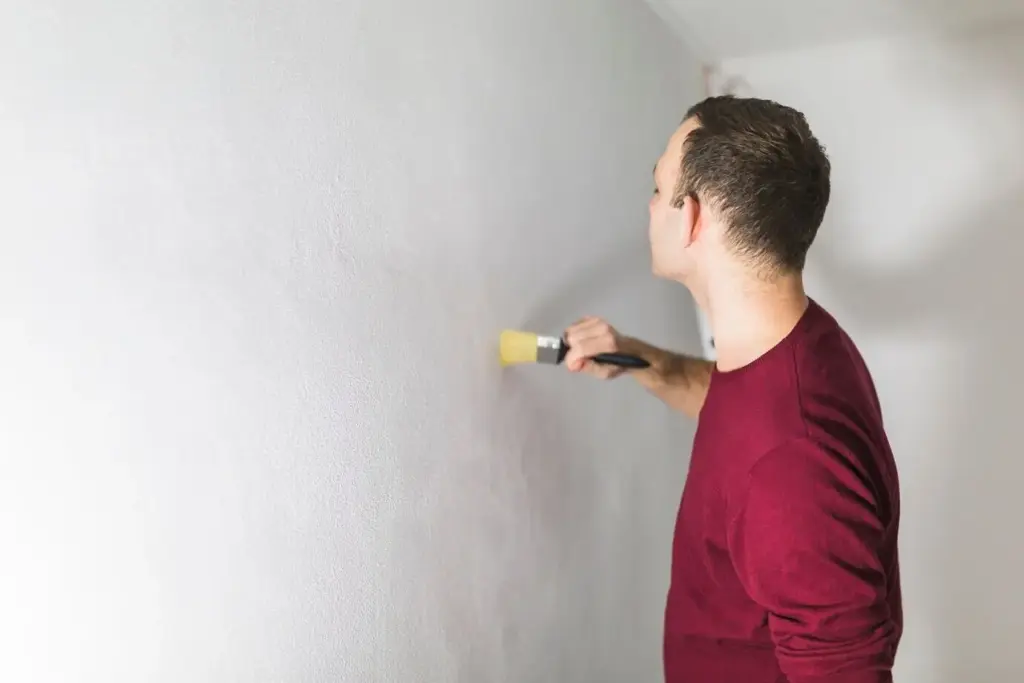
Even perfect shop work fails without careful installation. Walls may be wavy, floors out of level, and corners far from square. Successful crews scribe precisely, anchor into structure, and level cases into one plane before setting doors. They protect finishes during handling and leave clean access points for future service. A thoughtful checklist covers humidity stabilization, hardware torque, and door reveals. This field discipline protects beauty, tampers squeaks before they start, and ensures decades of quiet, confident operation.

Preparing Walls, Floors, and Substrates

Acclimate cabinetry to site humidity, verify stud locations, and map hidden utilities. Flatten bump-outs with shims or ledger strips, and confirm floor levels across runs to prevent racking. Scribe fillers to embrace irregularities instead of forcing reveals to wander. Mask adjacent surfaces to protect finishes, and stage components so heavy cases travel efficiently. Thorough prep slows the first hour to save the next hundred, setting the stage for clean margins, silent doors, and hardware that performs without protest.

Anchoring, Leveling, and Quiet Operation

Use structural fasteners into framing members, not only drywall anchors, and confirm pull-out loads for pantry units. Laser levels align long runs, while spacer blocks maintain even gaps. Shim at bearing points rather than indiscriminately. Check door swing clearance under real-world conditions, including rugs and baseboards. Felt buffers, soft-close hardware, and damped slides transform noise into hush. This patience pays back daily, as drawers glide confidently and cases feel like part of the house’s bones rather than visitors.

Care, Legacy, and Community Stories

Enduring cabinetry becomes a family anchor when cared for simply and regularly. Gentle cleaners, seasonal checkups, and quick touch-ups maintain finish luster and mechanical ease. Clear documentation helps future owners steward wisely. Restoration often preserves soul better than replacement, respecting small dents as history. We invite you to contribute stories, photos, and questions, building a living archive of built-ins that serve across decades. Subscribe, comment, and help shape a culture where patient craft and daily life meet gracefully.

Maintenance That Preserves Character

Use non-abrasive, pH-neutral cleaners and soft cloths to protect finishes, and avoid silicone sprays that complicate future touch-ups. Check hinge screws and slide mounts annually, and re-wax moving parts where appropriate. Address water drips quickly, especially around sink bases. Sunlight shifts color; rotate display items to keep tones even. Simple, consistent care is kinder than occasional heroics. These quiet habits help patina deepen beautifully, turning minor scuffs into living texture rather than flaws demanding replacement or regret.

Restoration Over Replacement

When edges bruise or finishes tire, consider targeted repairs: color-matched fill, gentle sanding, and localized re-coating preserve original character. A skilled finisher can blend new sheen into old warmth almost invisibly. Re-veneer damaged panels rather than scrapping entire cases. Replace worn slides with modern equivalents while keeping visible joinery intact. Thoughtful restoration protects embodied energy, family stories, and architectural continuity, proving that longevity is as much about care and judgment as it is about initial construction choices.

Share Your Built-In Legacy

We’d love to see your favorite details—drawer organizers that still delight, quietly perfect reveals, or a bookcase that became a child’s hideout. Tell us what has aged beautifully and where you needed help. Post photos, ask advice, and subscribe for new techniques, finish tests, and design insights. Your experiences guide future caretakers and inspire better craft. Together we build a living reference where enduring millwork is not just admired, but actively maintained and joyfully used every single day.
Fovupurilife
Privacy Overview

This website uses cookies so that we can provide you with the best user experience possible. Cookie information is stored in your browser and performs functions such as recognising you when you return to our website and helping our team to understand which sections of the website you find most interesting and useful.