
Reviving Heritage with Invisible Innovation
Reading the House: Understanding What Must Endure
Surveying Character-Defining Elements
Identify windows, stair profiles, floorboards, cornices, and hardware that convey age and intention. Note hand-tool marks and subtle sash proportions that give the space soul. Prioritize what must remain visible and untouched, then design concealed modern systems around those anchors, ensuring integrity survives even as comfort and safety quietly improve.
Mapping Existing Services Without Damage
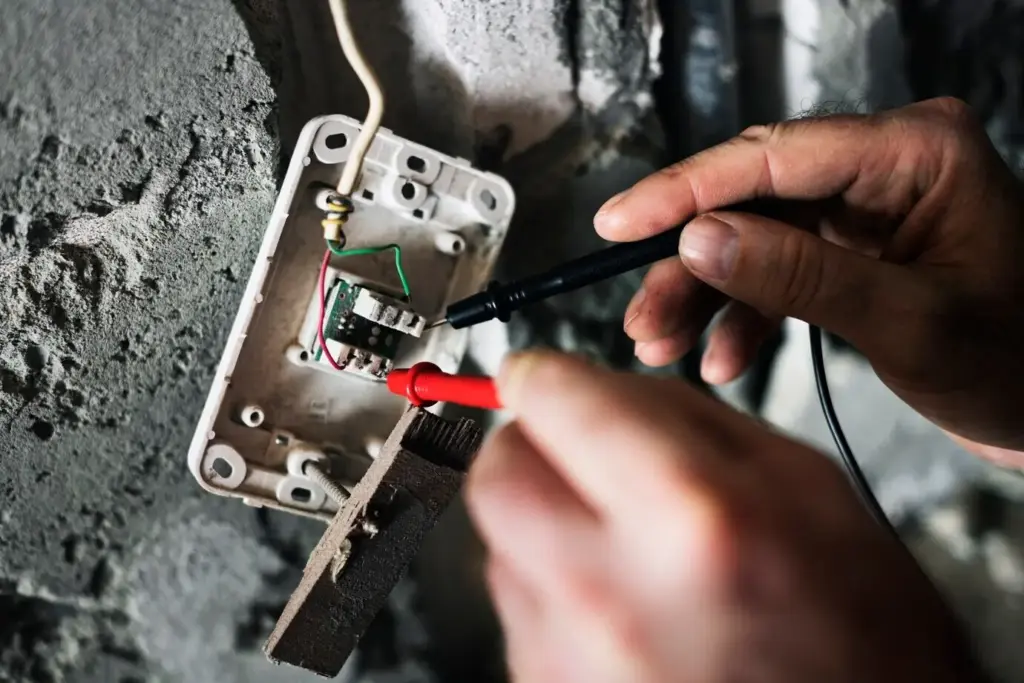
Use non-invasive tools—borescopes, infrared cameras, stud finders, and gentle exploratory openings—to trace old conduits, chases, and voids. This respectful detective work prevents unnecessary demolition, reveals historic routes suitable for reuse, and informs a routing strategy that tucks new runs into shadows, baseboards, and closets instead of cutting fresh scars through plaster and lath.
Prioritizing Interventions by Significance and Risk
Rank spaces by heritage value, fragility, and daily use. Grand parlors and entry halls demand minimal intrusion; secondary back-of-house rooms can accept hidden infrastructure. Consider moisture, fire, and structural risks when sequencing upgrades so crucial protections arrive early, while sensitive features are shielded, documented, and only touched when absolutely necessary and fully reversible.
Hidden Power: Electrical, Data, and Lighting Without Visual Clutter


Quiet Comfort: HVAC and Plumbing That Disappear
Ductless and High-Velocity Solutions in Tight Cavities
Use small-diameter supply lines to weave through joists without carving historic beams. Place air handlers in attics, crawlspaces, or cleverly built cabinets. Conceal wall cassettes behind custom grilles echoing period patterns. Balance airflow to prevent drafts and whistling, and commission carefully so comfort reads as calm, even during seasonal extremes.
Hydronic Upgrades Preserving Original Radiators
Retain cast-iron radiators for their radiant comfort and sculptural presence. Add thermostatic valves, smart zoning, and high-efficiency boilers or heat pumps supplying low-temperature water. Insulate return paths discreetly. Where needed, rebuild radiator niches and reflective foil behind units, boosting performance without new visual noise, and preserving that cherished winter warmth hugging masonry walls.
Wet Areas Modernized Behind Faithful Finishes
In bathrooms and kitchens, stabilize structure, add waterproofing, and route supply and waste through existing chases. Recreate period tile patterns while using membrane technology beneath. Vent quietly through roof or concealed walls, not facades. Integrate filtration and pressure balancing for reliable daily rituals that feel gracious rather than clinical or conspicuously contemporary.
Materials, Finishes, and Craft: Matching Yesterday While Enabling Today
Reversible Assemblies and Gentle Fixings
Where possible, use mechanical fasteners, cleats, and friction-fit trims instead of irreversible adhesives. Introduce slip-sheets, isolation membranes, and conservation-approved tapes that release cleanly. Document all layers for future stewards. Reversibility is not indecision; it is respect, ensuring tomorrow’s caretakers can adapt without inheriting yesterday’s scars hidden beneath stubborn modern compounds.
Custom Millwork as System Camouflage
Design baseboards with removable caps, paneled wainscot concealing chases, and built-ins that hide returns or access panels. Match profiles with period knives, then finish with hand-rubbed techniques to avoid plasticky sheen. When systems require a grille, craft patterns echoing original motifs so air passages read intentional rather than apologetic, integrating utility within beauty.
Stewards’ Toolkit: Codes, Conservation, and Collaboration
Working with Preservation Authorities and Neighbors
Phasing, Budgeting, and Contingency for Hidden Surprises
Documentation, Benchmarks, and Post-Occupancy Lessons
Stories from the Field: Success Without Footprints

A Victorian Terrace Gains Invisible Air and Data
High-velocity mini-ducts snaked behind skirting and through closet tops deliver even comfort without grilles in parlors. A discreet network backbone hides in original chimney voids. Period gasoliers converted to low-wattage LEDs glow warmly. Guests praise serenity, unaware of sensors optimizing ventilation while preserving stained glass reflections across polished floorboards.
An Art Deco Apartment Achieves Silent Efficiency
High-velocity mini-ducts snaked behind skirting and through closet tops deliver even comfort without grilles in parlors. A discreet network backbone hides in original chimney voids. Period gasoliers converted to low-wattage LEDs glow warmly. Guests praise serenity, unaware of sensors optimizing ventilation while preserving stained glass reflections across polished floorboards.
A Farmhouse Marries Solar, Storage, and Tradition
High-velocity mini-ducts snaked behind skirting and through closet tops deliver even comfort without grilles in parlors. A discreet network backbone hides in original chimney voids. Period gasoliers converted to low-wattage LEDs glow warmly. Guests praise serenity, unaware of sensors optimizing ventilation while preserving stained glass reflections across polished floorboards.


All Rights Reserved.